
Why Can’t I Sleep?
From Tossing and Turning to Deep Rest
Sleep is Not a Luxury—It’s Your Body’s Healing Tool
Many people think of sleep as an extra luxury, but it's actually a biological need that takes up about a third of our lives. Instead of just resting, think of sleep as "biological work." It's the time when your body heals, repairs, and recovers. You can't heal if you don't get enough sleep
Understanding Insomnia: More Than Just Tossing and Turning
Not being able to fall asleep is not the same as insomnia. People with insomnia have trouble falling asleep, staying asleep, or waking up too early and not being able to go back to sleep. We all know that this can cause problems during the day, such as tiredness, trouble concentrating, mood swings, and lower performance.
The Top 10 Reasons Sleep is Vital for Your Health
Prioritizing 7 to 9 hours of quality sleep can transform your health by supporting:
Physical repair: rebuilding cells and muscles.
Brain Detoxification: Your brain "takes out the trash" by getting rid of toxins while you sleep.
Sleep is when your brain "hits the save button" on everything that happened during the day.
Immune Strength: Not getting enough sleep over time makes you more likely to get sick.
Hormone Balance: Controls stress hormones like cortisol and blood sugar hormones like insulin.
Heart Protection: lowers blood pressure and reduces the risk of having a stroke.
Weight Management: Controls appetite and metabolism while reducing cravings.
Common "Sleep Thieves" to Avoid
Our modern world is often "overstimulated and under-rested." Common triggers for insomnia include:
Stress: Stress and sleep are closely linked in a "nasty cycle" where one fuels the other.
Screen Time: It's not just the blue light; using social media or reading intense books right before bed keeps your mind busy.
Irregular Patterns: Changing your sleep schedule by more than an hour on the weekends can throw your body off.
Hidden Stimulants: Caffeine (even if you think you can sleep after drinking it) and alcohol both destroy the quality of your REM cycles.
The "Hidden Culprits": Not Getting Enough Nutrients
What you don't eat can sometimes be the cause of your insomnia. Some important problems are:
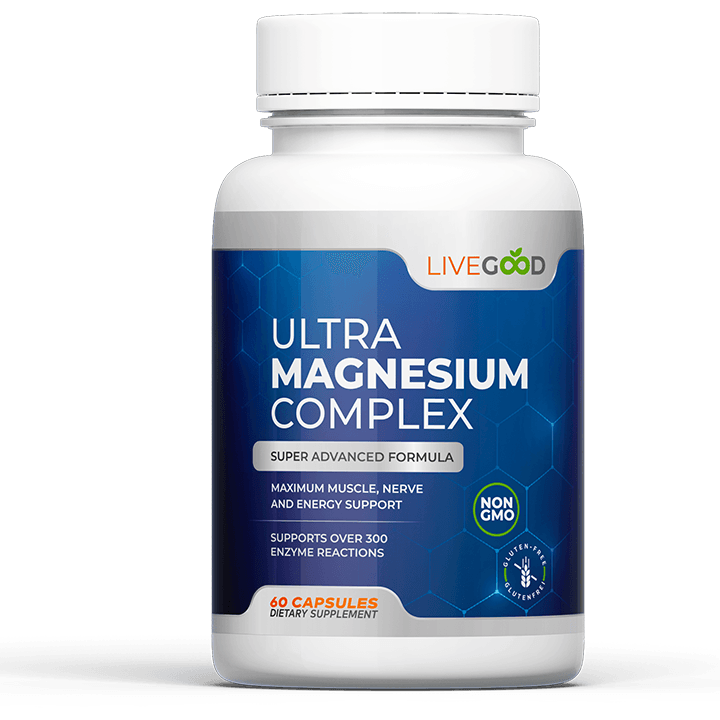
Magnesium: Low levels can cause anxiety, restless legs, and waking up often at night.
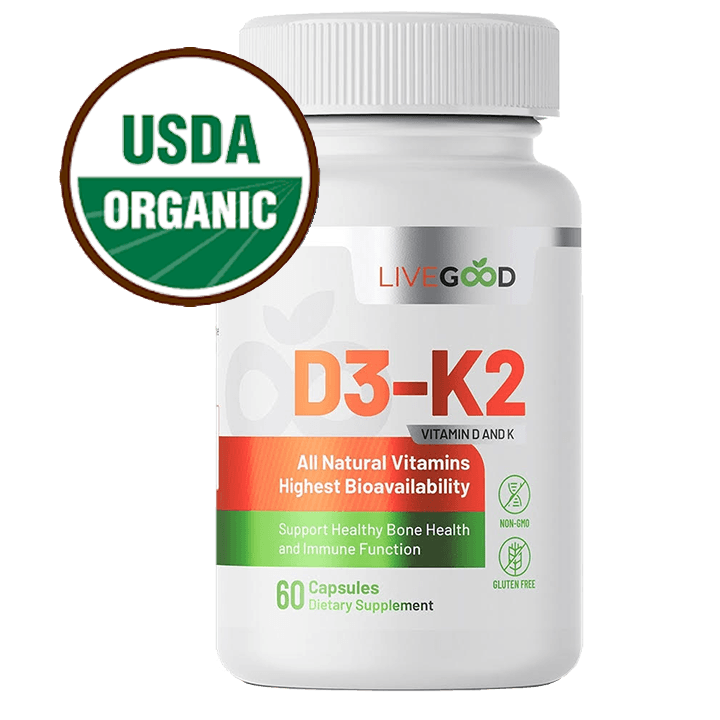
Vitamin D is important for controlling your circadian rhythm and making melatonin.
B vitamins are important for the nervous system, but stress and caffeine can quickly deplete these.
Iron and Zinc are needed to make neurotransmitters like dopamine and melatonin.
Pro-Tips for a Better Bedtime Routine
Try these lifestyle hacks to "reset" your internal clock:
Make a "Sleep Sanctuary" by keeping your room dark, quiet, and cool. Put up blackout curtains or wear an eye mask.
The "No Food" Window: Don't eat for 2 to 3 hours before bed.
Brain Dumping: If your mind is racing, write down your thoughts in a journal or on a piece of paper so you don't have to "think about them" while you sleep.
Morning Sunlight: Get natural light in your eyes early in the day to set your sleep-wake cycle.
Support Your Journey with Targeted Supplements
Some supplements can help fill the gap, even though they aren't a "band-aid":
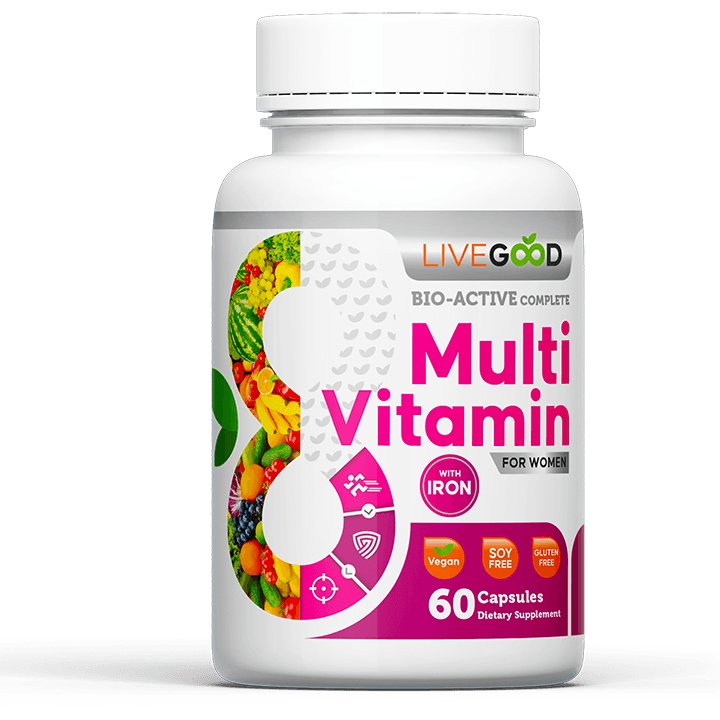
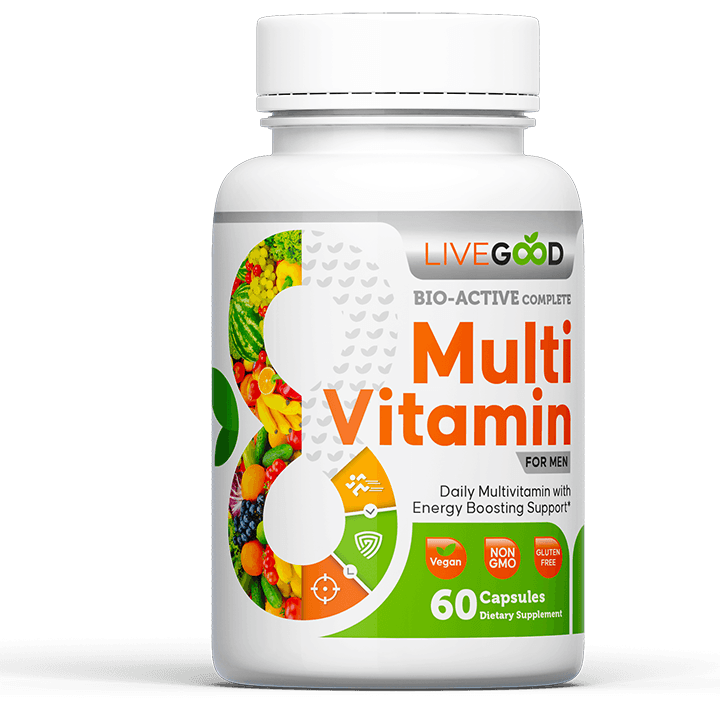
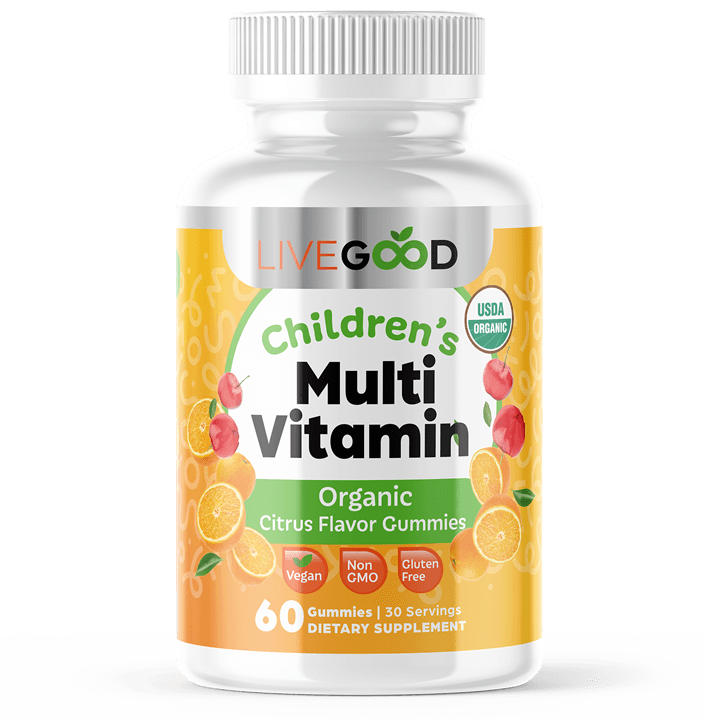
Magnesium and multivitamins: to fix basic problems.
CBN and CBD: CBN is sometimes called the "sleep molecule" because it can help you stay asleep without altering sleep stages.
Sleep patches can help you get back on track after a trip or a stressful day.
Lavender essential oil: Use on your wrists or pillows as part of a relaxing sensory routine.
In conclusion, achieving restful sleep involves both lifestyle choices and nutrition. By identifying factors disrupting your sleep and applying effective strategies, you can foster a better rest environment. It's essential to focus on sleep quality, not just quantity. With the right changes, you can reclaim your nights and wake up rejuvenated. Prioritize your sleep for improved well-being. Sweet dreams!
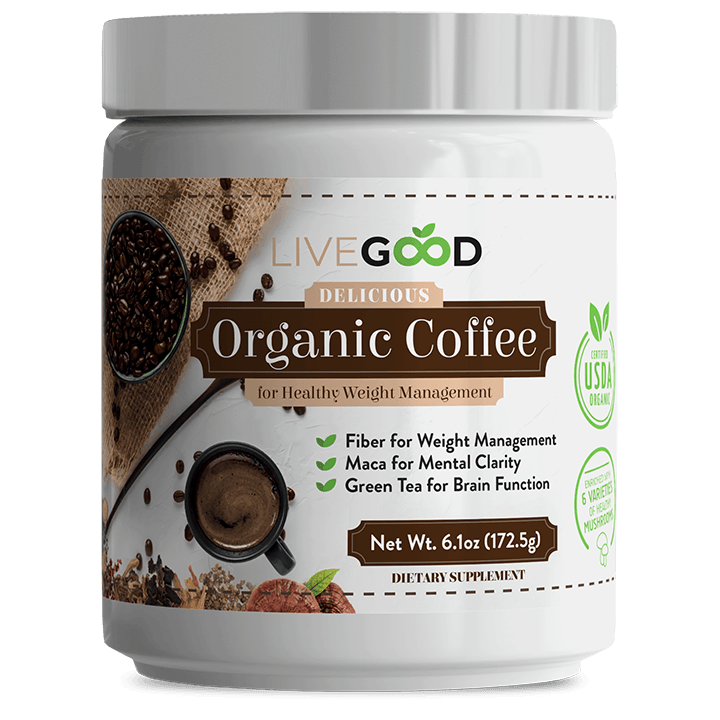
Organic Coffee
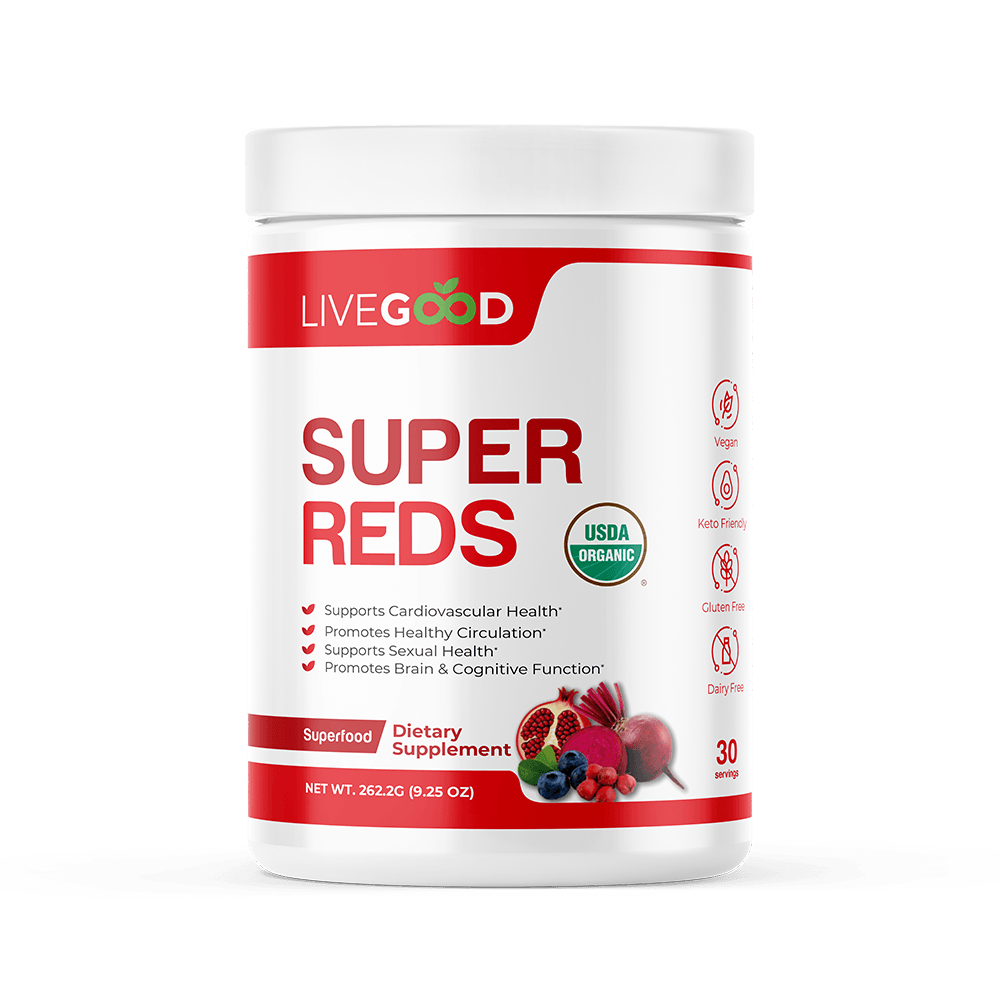
Organic Super Reds
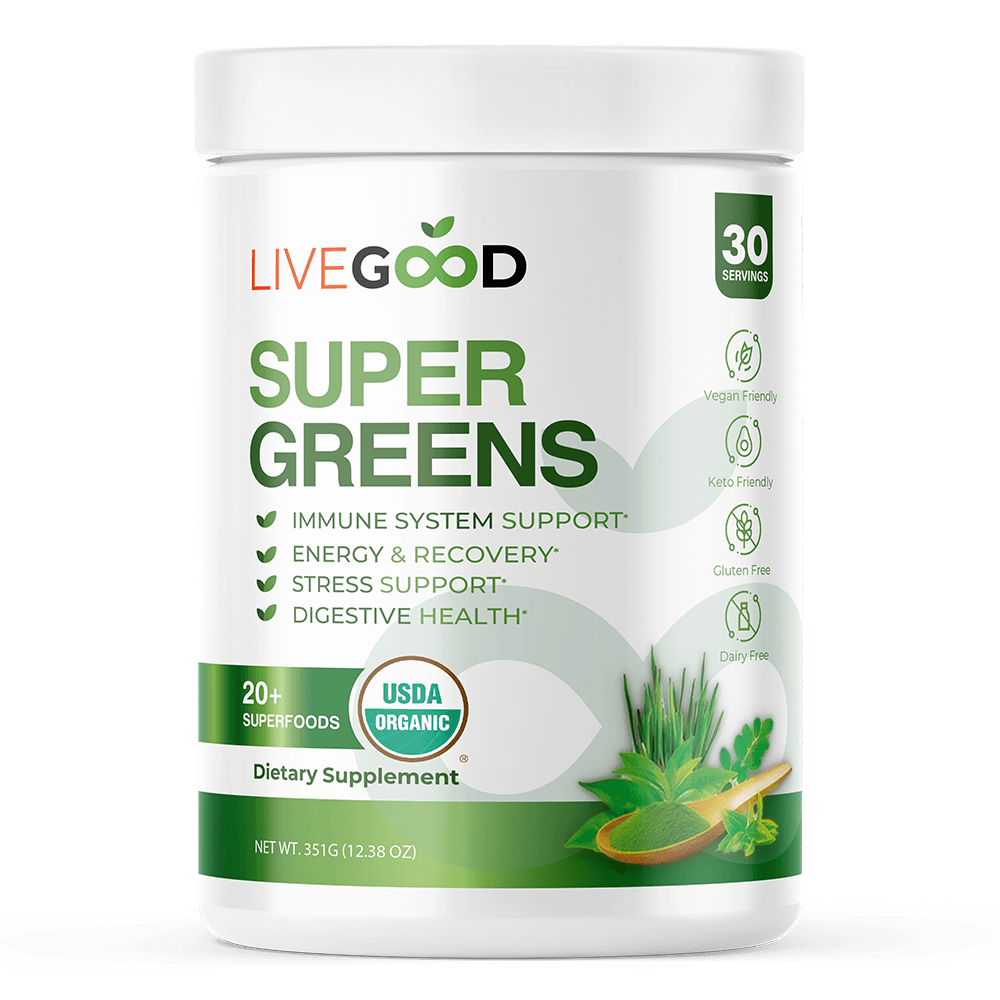
Organic Super Greens
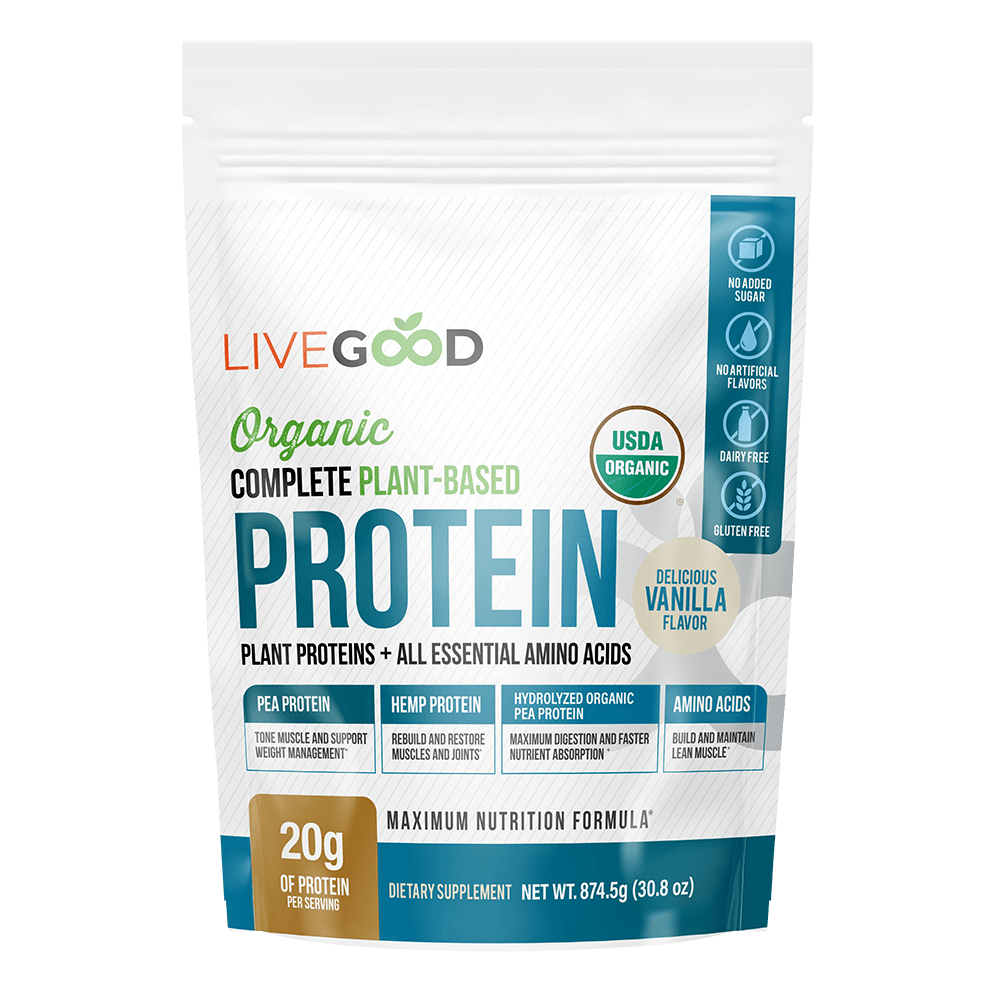
Plant-Based Protein
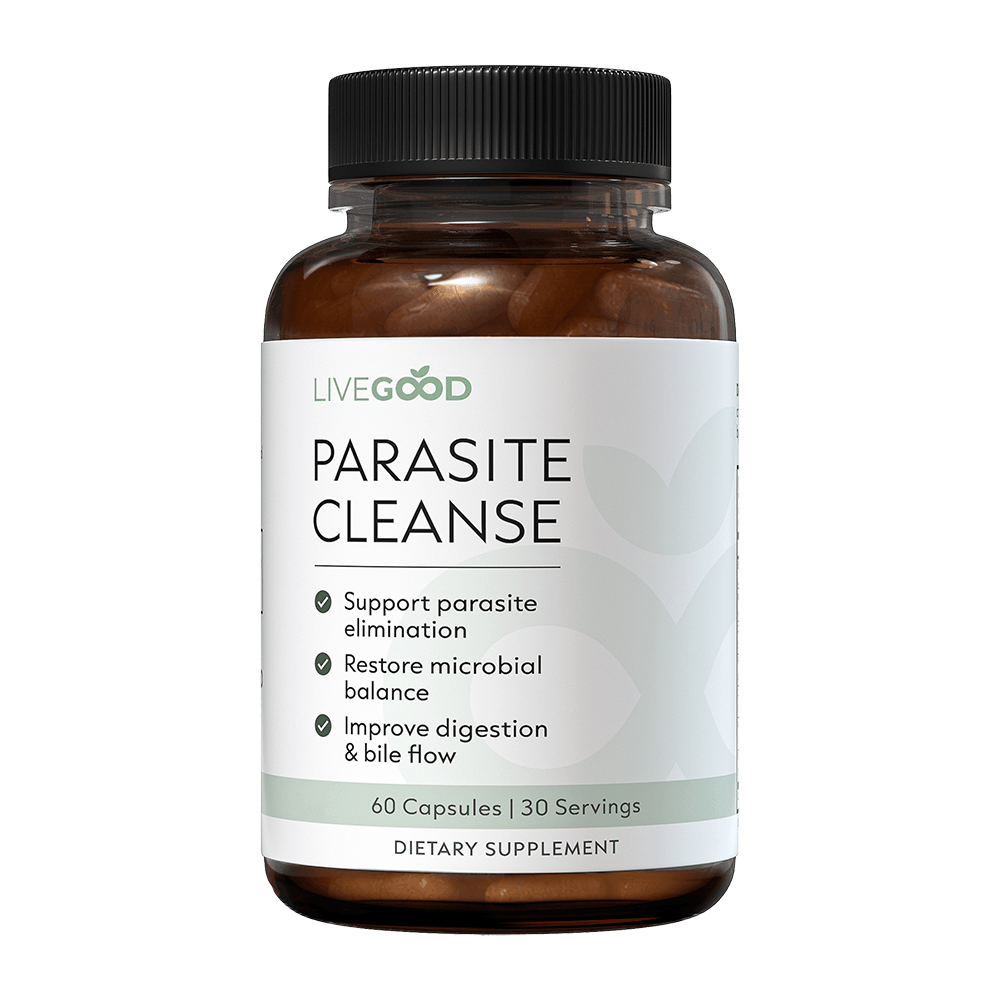
Parasite Cleanse
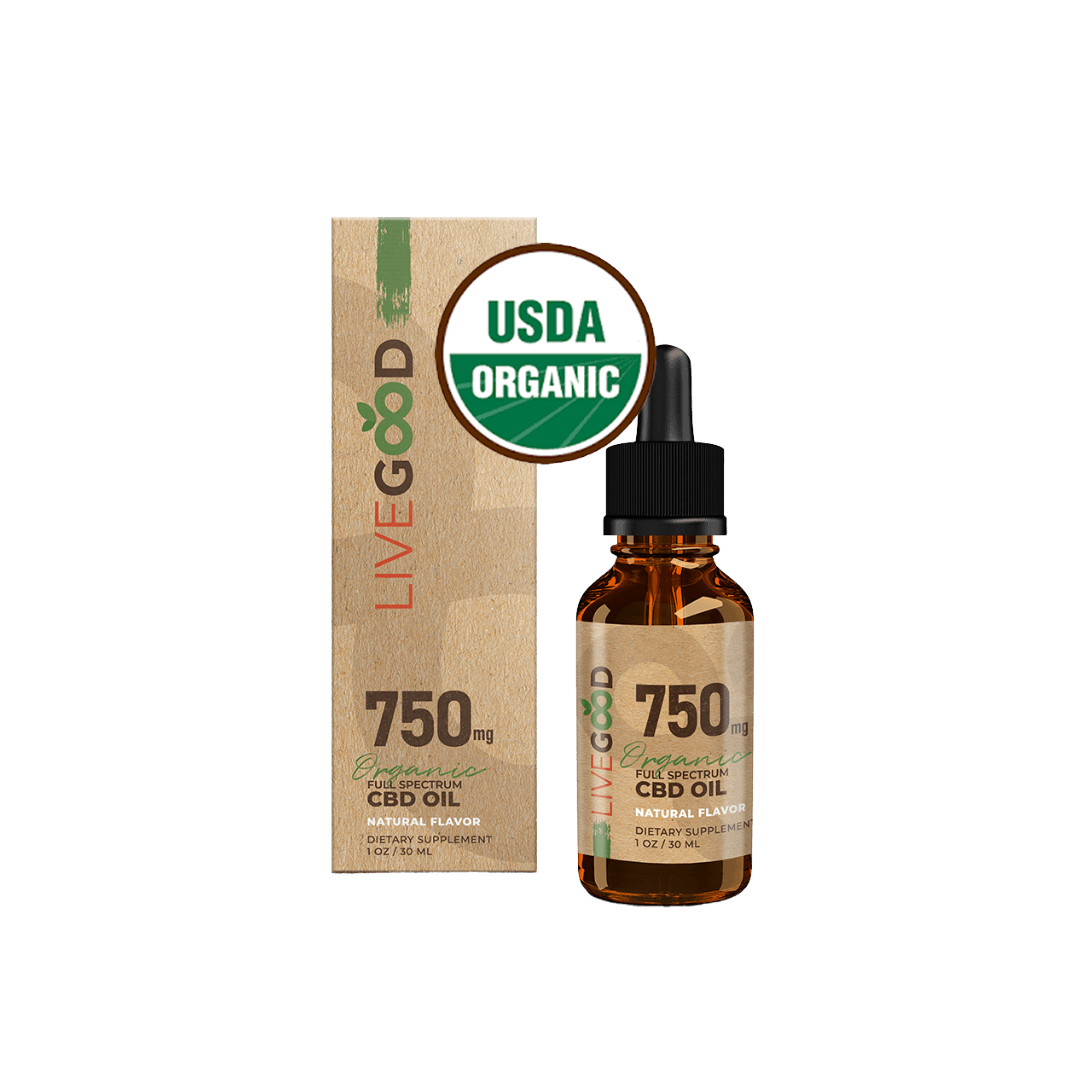
CBD Oil
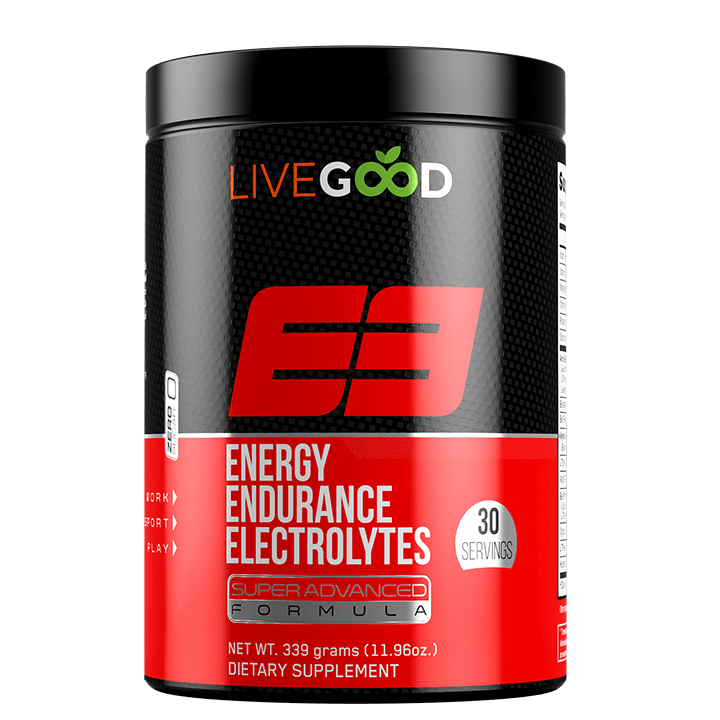
E3-Energy Endurance Electrolytes
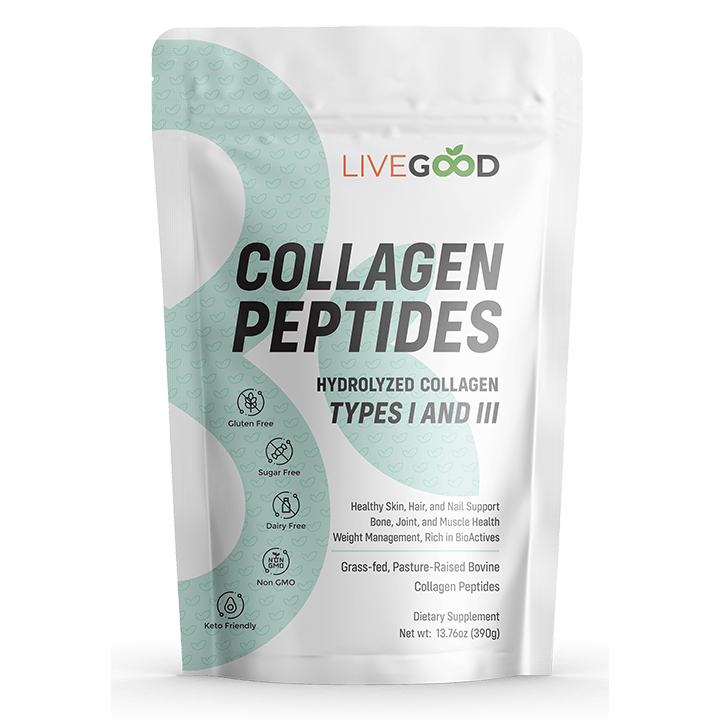
Collagen Peptides
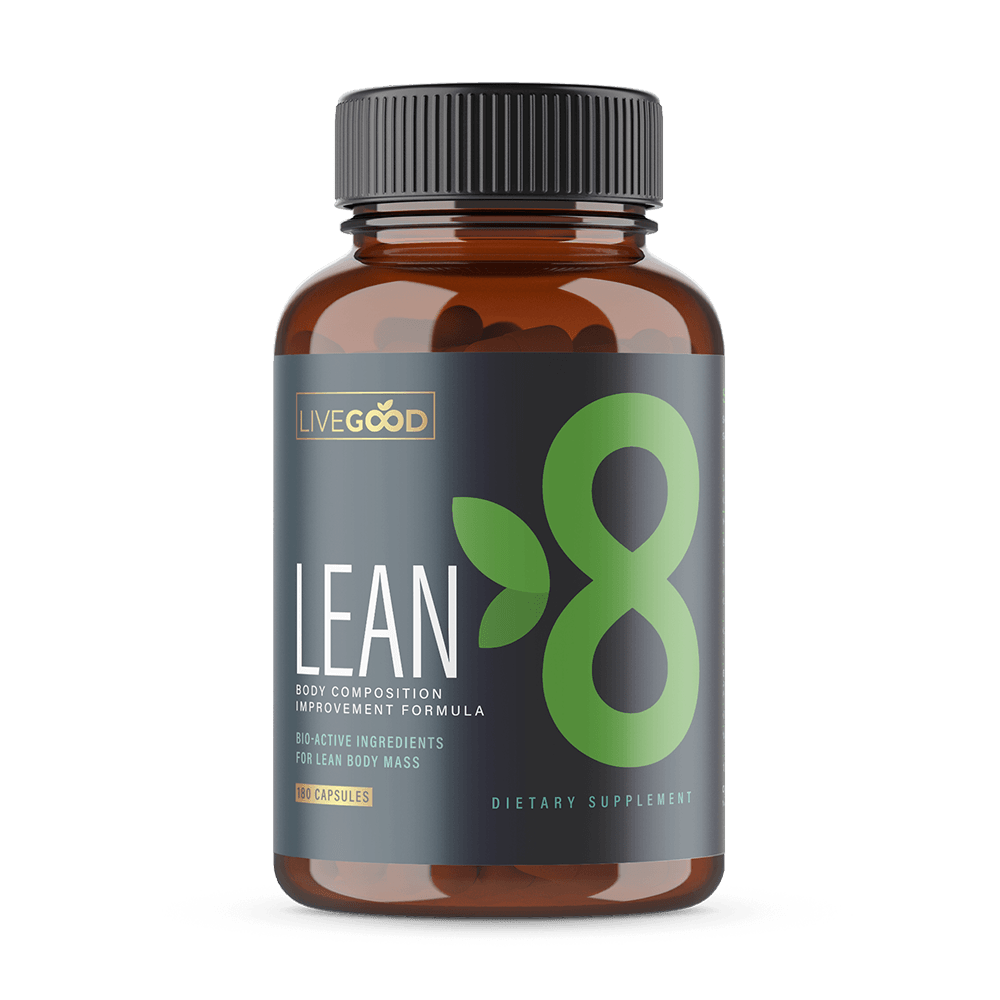
Lean
Body Composition Improvement Formula
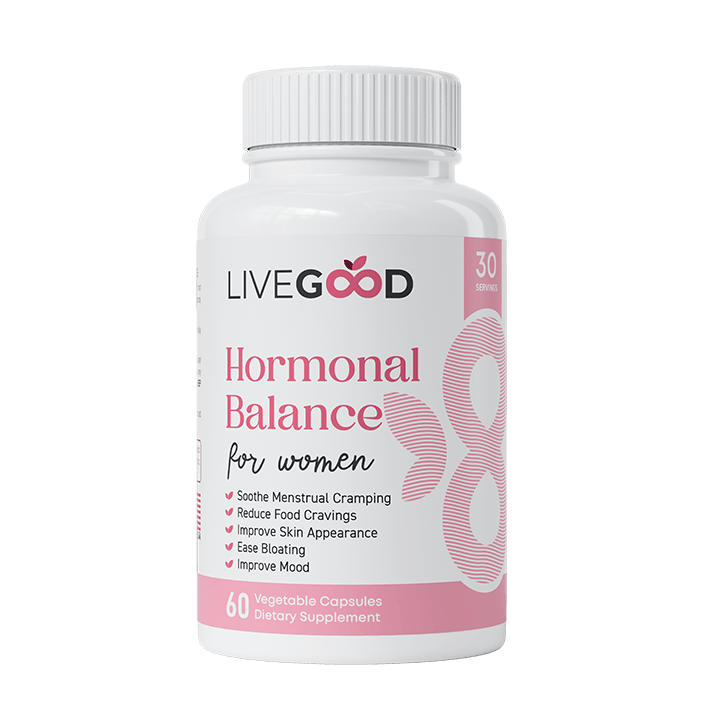
Hormonal Balance For Women
Why Can’t I Sleep?

is your daily push toward a healthier, happier, freer
life—powered by positivity, movement, and purpose.
It’s not just about looking good. It’s about living good.


“It’s never too late to start feeling amazing.”
