
The Magnesium Vicious Cycle
The Magnesium Vicious Cirle
Why You’re Stressed and How to Fix It
Let's be honest for a moment: Have you ever felt like you're trying to run the demands of a big company on software that is still in its early stages? If you're over 40 and feel like you're "wired at night but exhausted in the morning," you're not broken; your internal operating system just needs an update.
It's not about doing more in midlife; it's about changing the way you structure your day so that your body can handle the stress you're putting on it. This is how to do a "hard reset" on your computer.
1. Stop Fighting Your Body's Clock
Your body has an internal clock that runs all the time. It's called the circadian rhythm, and after age 40, it becomes much more sensitive to light and stress.
The Morning Light Hack: Go outside within 30 to 60 minutes of waking up. Natural light tells your brain to stop making melatonin, the sleep hormone, and start making cortisol, the energy hormone, at the right time.
The "Digital Sunset": About 60–90 minutes before bed, ditch the screens. Blue light is a melatonin-killer, and since our levels naturally drop as we age, we need to protect what we’ve got. Also, keep your bedroom cool—aim for 60–67°F.
2. The 30-Minute Protein Rule
Around age 35, our muscles start getting a bit "deaf" to protein (the experts call this anabolic resistance). To fight back, aim for 1 to 1.5 grams of lean protein per kilogram of body weight daily.
Pro Tip: Eat at least 15 grams of protein within 30 minutes of waking up. This helps anchor your cortisol rhythm so you aren't hit with those afternoon crashes or late-night "tired but wired" feelings.
3. The Magnesium "Vicious Circle"
Did you know nearly half of people screened for stress actually have a chronic magnesium deficiency? There’s a "vicious circle" here: stress causes your body to dump magnesium, and low magnesium makes you way more susceptible to stress.
The Fix: Load up on nuts, seeds, and leafy greens. Magnesium helps block the "excitation" in your brain and promotes the "calm" (GABA) activity you need to actually relax.
4. Get Weird with Your Nervous System
Sometimes "taking a break" isn't enough; you have to use the vagus nerve to override your nervous system.
Gargle and sing: It may sound strange, but gargling water for 30 seconds or singing loudly makes your vocal cords vibrate, which physically stimulates the vagus nerve. You can even chant for 5 to 10 minutes until you feel the vibration in your ears. It's like a "reset" button for the parts of your brain that deal with stress.
Box Breathing: If things get too heated, try the 4-4-4-4 count: breathe in for 4 seconds, hold for 4 seconds, breathe out for 4 seconds, and hold for 4. It makes your body think it's relaxed.
5. Lift Heavy Things
Cardio is good for the heart, but after 40, strength training is the best. We have to work harder to keep our bones and muscles because estrogen and testosterone levels are changing.
Progressive Overload: Don't just use the same light weights all the time. You should lift heavy enough that your form starts to shake after about 6 to 8 reps. This heavy lifting tells your central nervous system to stay strong.
The Bottom Line
Stress can actually increase your biological age, making your body function like it’s years older than it is. But here’s the best part: new research shows this is reversible. When you ease the tension and fix your rhythms, your biological clock can actually tick backward.
So, stop chasing "vacation energy" and start building a daily system that works. Gargle some water, eat your breakfast, and go lift something heavy. Your future self will thank you!


Organic Coffee
Organic Super Reds
Organic Super Greens
Plant-Based Protein
Parasite Cleanse
CBD Oil
E3-Energy Endurance Electrolytes
Collagen Peptides
Lean
Body Composition Improvement Formula
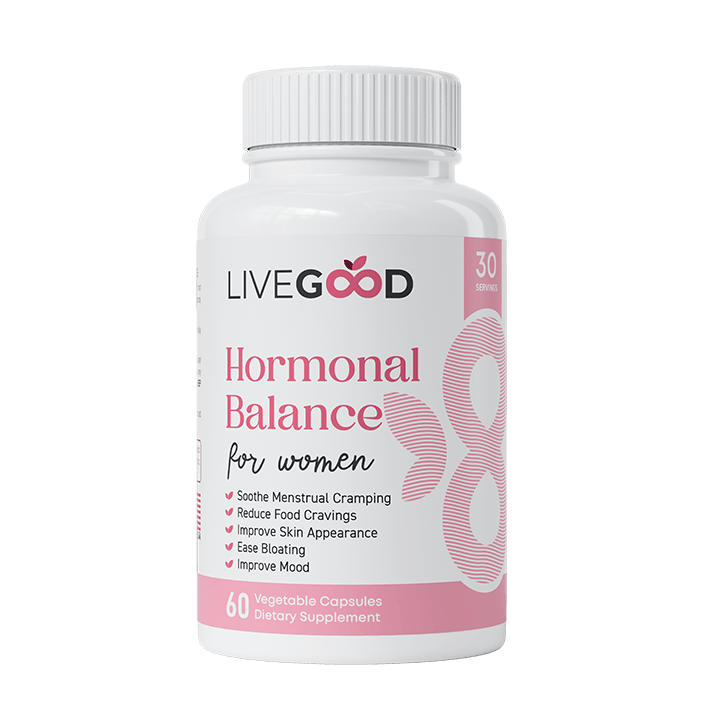
Hormonal Balance For Women
The Magnesium Vicious Cycle

is your daily push toward a healthier, happier, freer
life—powered by positivity, movement, and purpose.
It’s not just about looking good. It’s about living good.


“It’s never too late to start feeling amazing.”
